Why it exists
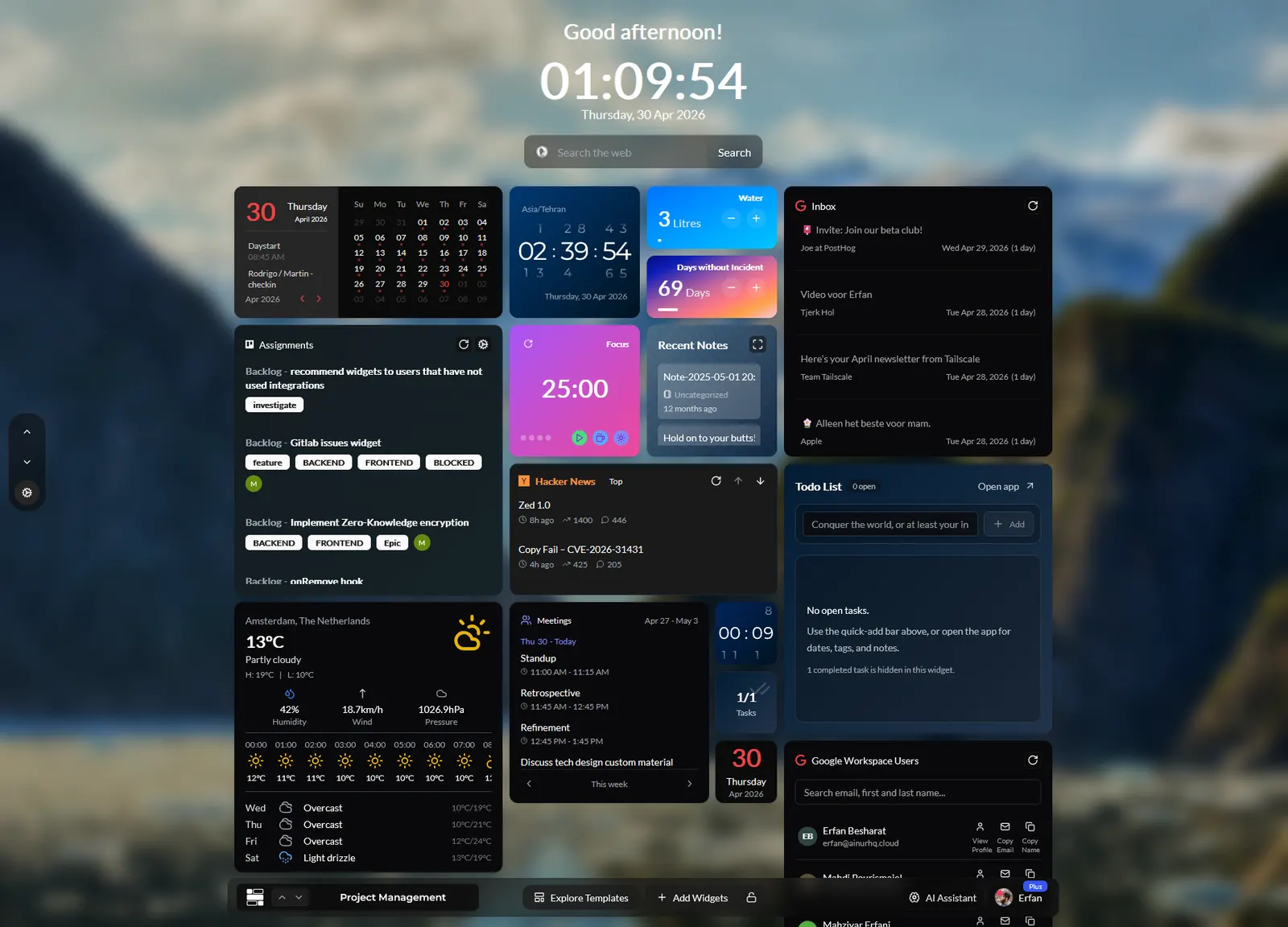
In November 2024 we were running several client engagements at once, each with its own trackers and channels. No single tool was the problem; the switching was. So we built a dashboard that put the working day in one place. It was an internal tool for about two months, then we launched it on Product Hunt on 2 January 2025 and finished the day at #2 Product of the Day.
The engineering
Past a hundred integrations, the interesting failures are not yours. They are expired refresh tokens, rate limits that differ by plan, schemas that change without notice, and vendors having a bad afternoon. Every source is isolated so one of them degrading cannot take the board with it.
Before UniDeck could be adopted by companies running Google Workspace, it had to pass CASA Tier 2, Google's security assessment for applications that touch Workspace data. It did.
Usage figures are as of May 2026: 25,000+ daily users across more than 10,000 teams.
Why it is on this site
UniDeck is where we make the architectural calls ourselves and then live with them: the pager, the migrations, the bill. When we tell you a design will survive production, this is what the claim rests on.
Stack · Next.js · NestJS · Kubernetes · 100+ integrations · SaaS